
Quick Answer: What Is an IPO?
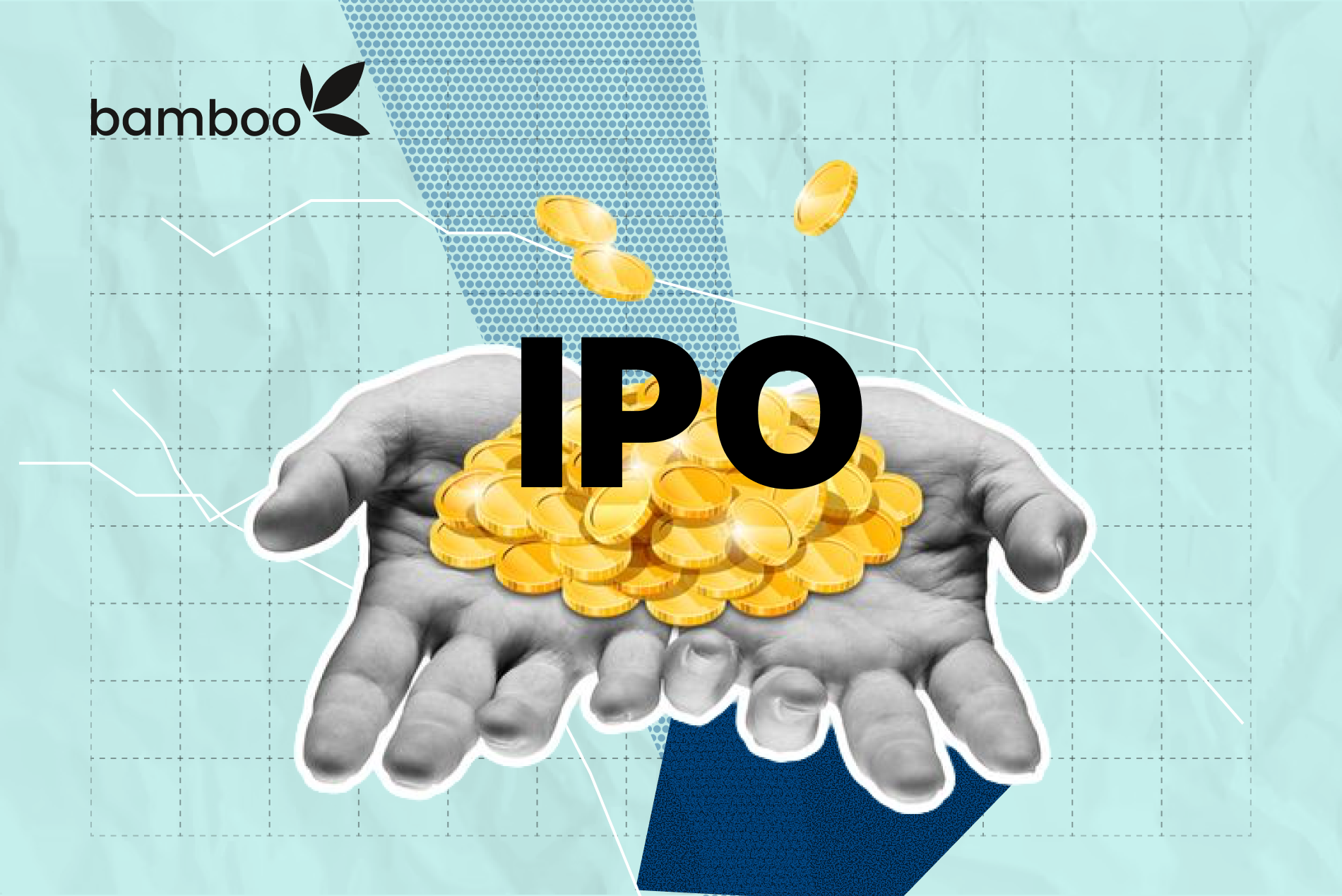
An IPO, or Initial Public Offering, is the process by which a private company offers shares of itself to the general public for the first time. It is the moment a company moves from being privately owned to being listed on a stock exchange, where anyone can buy and sell its shares.
In Nigeria, IPOs are regulated by the Securities and Exchange Commission (SEC Nigeria) and listed on the Nigerian Exchange Group (NGX), formerly known as the Nigerian Stock Exchange.
What Does IPO Stand For?
IPO stands for Initial Public Offering. Breaking that down:
- Initial: It’s the company’s first time offering shares to the public.
- Public: The shares become available to ordinary investors, not just private backers.
- Offering: The company is selling ownership stakes in exchange for capital.
After an IPO, the company’s shares trade freely on the stock exchange. Anyone with a brokerage account (including Nigerian investors on platforms like Bamboo) can buy or sell those shares during market hours.
How Does an IPO Work?
Before a company can list on the NGX or any other exchange, it goes through a structured process. Here is how it works, step by step.
Step 1: The Decision to Go Public
The journey starts internally. A company’s board and major shareholders decide that going public is the right move, usually to raise capital, expand operations, or give early investors an exit. Not every company is ready for this step. A company considering an IPO must be able to withstand public scrutiny of its finances, governance, and operations.
Step 2: Appointing Advisers
The company appoints a team of professionals: investment banks (called issuing houses in Nigeria), lawyers, accountants, and stockbrokers. The issuing house plays the most critical role: it advises on valuation, structures the offering, and markets the shares to institutional investors.
Step 3: Due Diligence and Regulatory Filing
This is where the paperwork happens. The company undergoes rigorous due diligence and prepares a prospectus, a legal document that discloses everything an investor needs to know: financials, business model, risk factors, and how the funds raised will be used.
In Nigeria, this prospectus must be filed with and approved by the Securities and Exchange Commission (SEC Nigeria) before the offering can proceed. SEC’s role is to protect investors by ensuring the information provided is accurate and complete.
Step 4: Pricing the Shares
The issuing house and the company determine an offer price: the price at which shares will be sold to the public during the IPO. This is based on the company’s valuation, market conditions, and investor appetite. In some cases, a price range is given and final pricing happens after a book-building process, where institutional investors indicate how many shares they want and at what price.
Step 5: The Public Offer Period
For a set period (typically two to four weeks), members of the public can apply for shares at the stated offer price. In Nigeria, applications are submitted through stockbrokers and registrars. Retail investors complete application forms and pay the corresponding amount.
Step 6: Allotment and Listing
If the offer is oversubscribed (meaning more people applied than there are shares available), shares are allotted on a basis determined by the company and its advisers (often proportional or by ballot). Successful applicants receive their shares. The company then formally lists on the NGX, and trading begins.
Why Do Companies Go Public?
Companies don’t decide to list on a stock exchange lightly. The process is demanding, expensive, and permanently changes how a company is run. So why do they do it?
1. Raise Capital The most common reason. A public offering allows companies to raise significant funds from a broad pool of investors, money that can be used to build factories, expand into new markets, retire debt, or invest in technology.
2. Provide an Exit for Early Investors Founders, venture capitalists, and private equity firms who invested early often use an IPO to liquidate part or all of their stake. It converts paper wealth into real money.
3. Enhance Credibility and Brand Profile A public listing signals maturity. It attracts media coverage, builds trust with customers and partners, and often helps a company negotiate better terms with suppliers and lenders.
4. Attract and Retain Talent Publicly listed companies can offer employees stock options and equity compensation that have real market value, making equity a powerful recruitment and retention tool.
5. Enable Future Capital Raises Once public, a company can raise additional capital more easily through rights issues or secondary offerings, since the shares already have an established market price and investor base.
IPOs in Nigeria: What You Need to Know
Nigeria has a long history of public offerings, with the NGX being one of the largest stock exchanges in Africa. Understanding the local context matters for any Nigerian investor considering IPO participation.
The Nigerian Exchange Group (NGX)
The NGX is where shares of publicly listed Nigerian companies trade. As of recent years, it has over 150 listed companies spanning sectors from banking and telecoms to consumer goods and industrial products. An IPO on the NGX means a company is opening its ownership to Nigerian retail and institutional investors directly.
The Role of SEC Nigeria
The Securities and Exchange Commission (SEC Nigeria) is the apex regulatory body for the Nigerian capital market. No company can conduct a public offering without SEC approval. SEC reviews the prospectus, ensures disclosure standards are met, and monitors the process to protect investors from fraud and misinformation.
Investors should always verify that an IPO has received SEC approval before committing funds. Unregistered offerings are a red flag.
Notable Nigerian IPOs
Several landmark IPOs have shaped the Nigerian capital market:
MTN Nigeria (2019): One of the most high-profile listings in recent Nigerian capital market history. MTN Nigeria’s listing on the NGX gave retail investors direct access to shares in the country’s largest telecommunications company by subscribers.
Dangote Cement (2010): The listing of Dangote Cement on the NSE (now NGX) was a watershed moment. It created what became the most capitalised stock on the exchange and demonstrated the appetite of Nigerian investors for large, credible listings.
BUA Foods (2022): BUA Foods listed on the NGX in January 2022, raising significant capital and quickly becoming one of the most watched consumer goods stocks on the exchange.
These examples illustrate something important: Nigerian IPOs are not just global events; they are local wealth creation opportunities that Nigerian investors have historically benefited from when they acted with good information and timing.
IPO vs. Buying Stocks: What’s the Difference?
This is a question many first-time investors ask. The difference comes down to when you buy and how you buy.
| IPO | Secondary Market (Normal Stock Purchase) | |
| When | Before the company is publicly listed | After the company is listed and trading |
| Price | Fixed offer price set by company | Market price, fluctuates constantly |
| How to buy | Through a licensed stockbroker such as Bamboo during the offer period | Through a licensed brokerage platform such as Bamboo at any time |
| Risk | Higher uncertainty, with no market history | Can review trading history before buying |
| Potential upside | Can be significant if shares rise post-listing | Depends on market conditions and entry point |
Buying at IPO is not automatically better than buying after listing, and vice versa. Some IPOs open lower than the offer price; others surge dramatically. Research and context matter either way.
Risks of Investing in an IPO
IPOs carry real risks that every investor should understand before participating.
Valuation Risk: Companies set their own offer prices, often at optimistic valuations. If the market later disagrees with that valuation, the share price can fall below what you paid.
Limited Historical Data: Unlike established listed companies, IPO candidates have no trading history. Financial statements exist, but how the market will price the stock on day one, and in the months beyond, remains uncertain.
Lock-Up Periods: Existing shareholders (founders, early investors) are often subject to lock-up periods of 90 to 180 days post-IPO, during which they cannot sell. When those periods end, increased selling can pressure the share price downward.
Market Timing: Even a good company can underperform post-IPO if it lists during a market downturn or period of high interest rates. External conditions affect IPO performance as much as company fundamentals do.
Oversubscription and Partial Allotment: In a popular IPO, you may not receive all the shares you applied for. Capital is tied up during the offer period, and partial allotments can be frustrating if you were counting on a specific position size.
None of these risks mean you should avoid IPOs. They mean you should enter with clear eyes, a defined strategy, and money you can afford to keep invested.
How to Invest in an IPO in Nigeria
Here is a practical guide to participating in Nigerian IPOs:
1. Open a Bamboo NGX Brokerage Account. You need a stockbroker registered with the NGX to participate in an IPO. You can also access Nigerian and international IPOs through investment platforms like Bamboo, depending on the offering.
2. Get a CSCS Account The Central Securities Clearing System (CSCS). is Nigeria’s central depository for securities. You need a CSCS account to hold shares. Bamboo will set this up for you.
3. Follow Capital Market News IPO announcements are published in national newspapers, on the SEC Nigeria website, and on the NGX portal. Staying informed is your first advantage.
4. Read the Prospectus Before applying, read the offer prospectus. It tells you what the company does, how it makes money, what risks it faces, and exactly how it plans to use the capital raised. It is not light reading, but it is essential.
5. Assess the Offer Price Consider whether the offer price reflects fair value. Look at comparable listed companies in the same sector and their valuation multiples. If a company is priced significantly higher than its peers without a compelling reason, that is worth questioning.
6. Apply Within the Offer Period Complete your application form through your broker and pay the subscription amount. Ensure you meet the deadline: late applications are not accepted.
7. Wait for Allotment and Listing After the offer closes, allotment is processed and shares are credited to your CSCS account. You can then begin trading once the company lists on the exchange.
What Happens After an IPO?
Going public is not the end of the story; it is the beginning of life as a listed company.
After an IPO, a company must file quarterly and annual financial reports, hold annual general meetings open to shareholders, disclose material events to the market promptly, and answer to thousands of public shareholders rather than a small group of private owners.
For investors, the post-IPO period is often where the real story unfolds. Share prices can be volatile in the weeks following listing as early investors take profits, analysts initiate coverage, and the broader market forms its view of the company’s worth. Patience and research tend to reward long-term investors better than chasing short-term IPO momentum.
Frequently Asked Questions About IPOs
What is the difference between an IPO and a rights issue? An IPO is a company’s first sale of shares to the public. A rights issue happens after a company is already listed; it offers additional shares to existing shareholders, usually at a discount, to raise more capital.
Can I lose money in an IPO? Yes. If the share price falls below the offer price after listing, you will be sitting on a loss. IPOs carry market risk like any other investment.
How long does the IPO process take in Nigeria? From the decision to go public to the actual listing, the process typically takes between six months and two years, depending on the company’s readiness and regulatory timelines.
Do I need a lot of money to invest in an IPO? Not necessarily. Many Nigerian IPOs have minimum subscription amounts that are accessible to retail investors. Check the prospectus for the minimum lot size and price per share.
Is it better to buy at IPO or wait until after listing? There is no universal answer. Some IPOs price conservatively and offer good value; others are overpriced and correct downward post-listing. The right approach is to evaluate each offer on its own merits.
How do I find out about upcoming IPOs in Nigeria? Monitor the SEC Nigeria website, the NGX portal, and reputable financial news outlets. You can also follow Bamboo’s content channels, where we cover significant market events and investment opportunities as they happen.
The Bottom Line
An IPO is one of the most significant moments in a company’s life and it can be a meaningful moment for investors too. It is the point at which a private business opens its doors to public ownership, and where ordinary Nigerian investors can become shareholders in companies that are shaping the economy.
Understanding how IPOs work, the process, the risks, the regulatory environment, and how to evaluate an offer is what separates informed participation from speculation.
Nigerian investors have more tools and more access than ever before. The question is not whether the opportunity exists. The question is whether you are ready to act on it wisely.
Bamboo is a regulated investment platform that gives Nigerians access to local and global investment opportunities. This article is for informational purposes only and does not constitute financial advice. Always conduct your own research or consult a qualified financial adviser before making investment decisions.
Quick Summary
An IPO, or Initial Public Offering, is the process by which a private company offers shares of itself to the general public for the first time. It is the moment a company moves from being privately owned to being listed on a stock exchange, where anyone can buy and sell its shares. In Nigeria, IPOs are regulated by the Securities and Exchange Commission (SEC Nigeria) and listed on the Nigerian Exchange Group (NGX), formerly known as the Nigerian Stock Exchange.