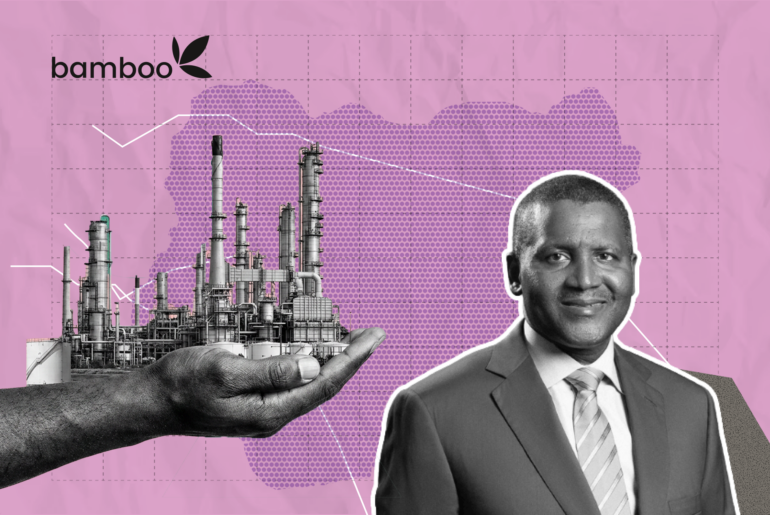



The Dangote Refinery IPO is the most talked-about investment opportunity in Nigeria right now. And for good reason. A $20 billion asset, the largest refinery in Africa, is about to open its doors to ordinary Nigerians for the very first time. But does the hype hold up under honest financial scrutiny?
This article breaks down everything you need to know before committing your money: the structure of the offering, the genuine investment case, the real risks, and the questions every Nigerian investor should be asking.
What Is the Dangote Refinery IPO?
The Dangote Refinery IPO is an initial public offering through which Dangote Petroleum Refinery and Petrochemicals Fze will sell a stake of between 5% and 10% of its equity on the Nigerian Exchange (NGX). The offering is targeted for June to July 2026, making it one of the most anticipated capital market events in Nigeria’s history.
The refinery, located in the Lekki Free Zone on the outskirts of Lagos, has a processing capacity of 650,000 barrels of crude oil per day. It is the largest single-train refining facility in the world and the largest refinery on the African continent. Construction spanned eleven years and cost approximately $20 billion.
Three financial advisers have been formally appointed to lead the transaction: Stanbic IBTC Capital, Vetiva Advisory Services, and FirstCap. Stanbic IBTC Capital is expected to coordinate international placement and manage relationships with foreign investors. Vetiva will handle local market distribution and retail investor access. FirstCap will focus on placements with Nigerian institutional investors, including pension funds.
The Nigerian National Petroleum Company Limited (NNPC) currently holds a 7.25% equity stake in the refinery, which means the Nigerian government already has skin in this game. What the IPO does is open that same opportunity to you.
Key Facts About the Dangote Refinery IPO
Understanding the structure of this deal is the starting point for any honest investment assessment. Here are the confirmed figures as of April 2026:
- Valuation: The refinery cost $20 billion to build. Analyst estimates for its listing valuation range from $40 billion to $50 billion, reflecting its operational performance and strategic position.
- Stake on offer: Between 5% and 10% of the company’s total equity.
- Listing exchange: The Nigerian Exchange (NGX), with pan-African secondary listings being coordinated across multiple exchanges including the Johannesburg Stock Exchange and the Nairobi Securities Exchange.
- IPO timeline: June to July 2026. The prospectus is expected to be submitted to the Securities and Exchange Commission (SEC) in April, with a national roadshow and subscription launch planned for May.
- Dividend structure: Investors can choose to receive dividends in either naira or US dollars. This is a significant and unusual feature for a Nigerian-listed stock.
- Export revenue underpinning dollar dividends: Projected annual export earnings of $6.4 billion, largely from petrochemicals including polypropylene and fertiliser.
- Current operations: The refinery is in full commercial operation, producing petrol, diesel, aviation fuel, and petrochemicals. It currently meets more than 90% of Nigeria’s petrol demand.
- Expansion plans: Dangote has announced plans to increase the refinery’s capacity to 1.4 million barrels per day within three years, which would make it the largest refining facility in the world.
The Investment Case: Why This IPO Is Generating Serious Interest
1. You Are Buying Into a Real, Operating Business
This is not a startup or a speculative project. The Dangote Refinery is fully operational. It has already exported 456,000 tonnes of refined fuel to five African countries. In February 2026, it reduced petrol prices from N799 to N774 per litre, undercutting imported fuel landing costs of N793 per litre.
That pricing power is meaningful. The refinery is not just competing; it is setting the market rate. For investors, this means the underlying asset has already demonstrated commercial relevance before the first public share is sold.
2. The Dollar Dividend Option Is a Structural Hedge
For Nigerians, naira depreciation has been one of the most consistent destroyers of investment returns over the past decade. The option to receive dividends in US dollars, backed by $6.4 billion in projected annual export revenues, addresses this directly.
You buy shares in naira at today’s exchange rate. The refinery earns in dollars from exports. If the naira weakens further, your dollar-denominated dividends hold their value in global purchasing power terms. This is a feature that very few Nigerian-listed stocks can offer.
3. It Could Be the Most Transformative Listing in NGX History
Nigeria historically spent over $10 billion annually importing refined petroleum products despite being Africa’s largest crude oil producer. The refinery was built specifically to end that dependence. Its public listing represents the transformation of a critical national infrastructure asset into a publicly owned, accountable, investable company.
At a potential valuation of $40 billion to $50 billion, even the minimum 5% stake being offered would add roughly $2 billion to $2.5 billion in market capitalisation to the NGX. That is a significant injection of liquidity into a market that currently has a total capitalisation of around $74 billion.
4. Dangote’s Track Record on the NGX Is Already Established
The Dangote Group is not new to public markets. Three of its companies are already listed on the Nigerian Exchange: Dangote Cement, Dangote Sugar Refinery, and NASCON Allied Industries. Dangote Cement, in particular, is one of the most valuable companies listed on the NGX and has delivered meaningful returns to long-term shareholders.
Investors in this IPO are not betting on an untested institution. They are buying into an industrial conglomerate with a demonstrated ability to operate listed companies at scale.
5. Nigeria’s Oil and Gas Sector Is Already Outperforming the Broader Market
The NGX oil and gas sector has recorded year-to-date gains of 52% in 2026, more than double the performance of the broader All-Share Index. The sector rose 34% in February 2026 alone. The refinery’s listing is expected to attract further capital into this sector and could sustain the rally for investors who are already positioned.
The Risks: What You Must Weigh Before You Invest
1. Valuation Uncertainty Is Significant
The construction cost of the refinery was $20 billion. But analysts are projecting a listing valuation of $40 billion to $50 billion, implying an immediate doubling of that figure. Valuation at IPO is partly a function of growth expectations, but it also means retail investors may be buying at a premium to underlying asset value.
A reputable March 2026 editorial in The Guardian Nigeria made this point clearly: the credibility of the IPO will hinge on valuation integrity. Transparent financial disclosures, independent audits, and honest communication of risks must precede any public offer. Until the prospectus is released and audited financials are available, the valuation is an estimate.
As a Nigerian investor, you should wait for the prospectus before committing capital. The prospectus will reveal the company’s actual debt levels, earnings history, and the basis on which the offering price has been set.
2. Debt Load Is Unknown Until Disclosure
A $20 billion refinery does not get built entirely with equity. The company carries significant debt, and the IPO valuation of the equity portion must be assessed against the total enterprise value, which includes that debt. Fitch downgraded the credit rating of Dangote Industries from AA to B+ in 2024, a signal that financing costs and leverage deserve careful attention.
The net equity value available to shareholders depends directly on how much debt sits on the balance sheet. This is information that belongs in the prospectus.
3. Global Oil Price Volatility Creates Revenue Risk
The refinery earns its revenues from refining crude into petroleum products and petrochemicals. Both are commodities subject to global price cycles. A significant drop in crude oil prices or global refining margins would compress the company’s revenues and, by extension, its ability to sustain the projected dividend levels.
Nigeria’s energy sector investors are not strangers to this risk, but it is a real one that should be factored into any position sizing decision.
4. Regulatory and Currency Framework for Dollar Dividends Is Still Being Finalised
The dollar dividend mechanism is innovative and attractive. It is also subject to approval by the Securities and Exchange Commission and the Central Bank of Nigeria. As of April 2026, that framework has not been formally confirmed. Investors should understand that this feature, while very likely to be approved given government support for the listing, is not yet legally guaranteed.
5. The IPO Has Already Experienced Delays
The refinery IPO was originally planned for early 2025. It was subsequently pushed to late 2025, then to 2026. While the June to July 2026 timeline now has formal advisers, a roadshow plan, and regulatory engagement behind it, investors should be aware that this offering has slipped before. Patience is required.
Who Should Consider This Investment?
The Dangote Refinery IPO is not a one-size-fits-all investment. Here is a practical framework for Nigerian investors.
Well suited for you if:
- You have a medium to long-term investment horizon of three years or more.
- You want exposure to Nigeria’s energy sector without holding crude oil directly.
- You want a naira-denominated investment with access to dollar-linked returns.
- You already hold a diversified portfolio and are adding a high-conviction sector play.
- You are comfortable reading a prospectus and making decisions based on financial disclosures, not headlines.
Requires more thought if:
- You are investing money you may need back within 12 to 18 months. IPOs can be volatile in the short term.
- You have no existing exposure to Nigerian equities and have not yet built a foundational portfolio.
- Your entire investment thesis is based on Dangote’s personal brand rather than the refinery’s financial fundamentals.
- You are expecting quick returns. The dollar dividend mechanism and the refinery’s expansion plans play out over years, not months.
How to Buy Dangote Refinery IPO Shares
Nigerians will be able to subscribe through the Nigerian Exchange via licensed stockbrokers and investment platforms such as Bamboo. Retail investors will participate in the public offer phase of the IPO, which is expected to follow an institutional placement round.
To prepare:
- Ensure you have a valid CSCS (Central Securities Clearing System) account. This is the account that holds your shares on the Nigerian Exchange.
- If you do not yet have one, open one through on Bamboo.
- Follow the official announcements from the NGX, SEC, and Dangote Group for the public offer prospectus and subscription window dates.
Frequently Asked Questions About the Dangote Refinery IPO
What is the Dangote Refinery IPO? It is the initial public offering through which Dangote Petroleum Refinery and Petrochemicals Fze will sell between 5% and 10% of its equity on the Nigerian Exchange and other African stock exchanges. The offering is targeted for June to July 2026.
How much is the Dangote Refinery worth? The refinery cost $20 billion to build. Analyst estimates for its IPO valuation range between $40 billion and $50 billion, based on its operating capacity of 650,000 barrels per day and projected export revenues.
Can I receive dividends in dollars if I buy Dangote Refinery shares? Yes, Dangote has confirmed that shareholders will have the option to receive dividends in either naira or US dollars. This feature is backed by projected annual export earnings of $6.4 billion and is currently being reviewed by the SEC and CBN for formal approval.
When can I buy Dangote Refinery shares? Public subscription is expected to open in May 2026, with the listing on the NGX targeted for June to July 2026. Watch for the formal prospectus and subscription window announcement from the NGX and Dangote Group.
What are the risks of investing in the Dangote Refinery IPO? Key risks include valuation uncertainty pending the prospectus, unknown debt levels on the company’s balance sheet, global oil price volatility, potential delays in the dollar dividend framework receiving full regulatory approval, and the general risk of short-term price volatility common to large IPOs.
Is the Dangote Refinery IPO the largest in Nigerian history? It is expected to be. At a potential valuation of $40 billion to $50 billion, a 10% stake offering would represent the largest equity offering ever on an African stock exchange.
How is this different from buying Dangote Cement shares? Dangote Cement is a listed company in the building materials sector. The Dangote Refinery is a petroleum refining and petrochemicals company. They operate in different industries with different revenue drivers, margin profiles, and exposure to global commodity cycles.
What is NNPC’s stake in the Dangote Refinery? NNPC holds a 7.25% equity stake in the refinery on behalf of the Nigerian government. This was confirmed by Aliko Dangote in February 2026.
The Honest Answer: Is It a Good Investment?
The case for this IPO is genuinely compelling, but it comes with a clear condition: you must read the prospectus before subscribing.
The underlying asset is real, operational, strategically important, and generating revenues. The dollar dividend option is a material advantage for Nigerian investors navigating naira volatility. The expansion to 1.4 million barrels per day, if delivered, would materially increase the company’s earnings base. The advisers, the regulatory engagement, and the pan-African listing structure all add credibility to the process.
At the same time, the final offering price matters. A business worth $20 billion being offered at a $40 billion to $50 billion valuation means you are already paying for the growth story upfront. If the prospectus shows healthy financials, manageable debt, and a realistic earnings trajectory to justify that premium, this could be one of the most significant investment opportunities available on the Nigerian Exchange in a generation.
If the financials tell a different story, the discipline to walk away is just as valuable.
The Dangote Refinery IPO deserves serious attention from every Nigerian investor. But serious attention means doing the work, not just following the excitement. When the prospectus drops, read it.
This article is for informational purposes only and does not constitute financial advice. Investing in equities involves risk, including the possible loss of principal. Consult a licensed financial adviser before making any investment decisions.